

The Best Synthesizers for Beginners Under $500
In the exciting world of music production, and regardless of the style we make, synthesizers play a fundamental role. These versatile machines can help you create unique and captivating sounds, but where do you start if you’re a beginner looking for the perfect synthesizer? In this article we’ll guide you through the basic concepts of synthesis, explore the differences between analog and digital synthesizers, and introduce you to seven fantastic options, all under $500 with excellent value for money, to begin your journey into the world of sound synthesis in the best possible way.
Section 1: Understanding Synthesizers
What is a Synthesizer?
A synthesizer is an electronic musical instrument that produces tones and sounds through electronic circuits or digital emulation. It can be used to imitate acoustic instruments such as piano, strings, or wind instruments, as well as to create completely new synthetic sounds.
How a Synthesizer Works: Understanding Sound Synthesis
Synthesizers, whether analog or digital, from the most expensive to the cheapest, operate under fundamental principles of sound synthesis. Here’s a summarized overview of how they work:

- Oscillator (VCO): The sound starts or begins with an oscillator, or VCO, which generates a basic waveform, determining the pitch.
- Filter (VCF): The signal passes through filters (VCF) that enhance or reduce certain frequency ranges, shaping the timbre of the sound. (for example, the typical filter sweep that makes the tone sound deep and then progressively rise in frequencies)
- Amplifier (VCA): Then, the signal is directed to an amplifier (VCA) that controls the volume, adjusted by an ADSR envelope to shape how the sound will be over time. (Attack, Decay, Sustain, and Release)
- Modulation (LFO): Many synthesizers allow modulation through low-frequency oscillators (LFO) or envelopes, altering aspects of the sound over time, such as the tremolo effect if we modulate the amplifier, or wah-wah if we modulate the filter.
- Mixing, Combination, and Effects: Versatility is achieved by mixing and combining multiple oscillators, filters, and components, unlocking a variety of creative sounds and possible added effects such as distortion, chorus, delays, among others.
For beginners, creating sounds without presets can be challenging, but with practice and experimentation, whether with a budget synthesizer or one of the best analog synthesizers on the market, you can progress toward mastering sound synthesis and unleash musical creativity with one of the most rewarding instruments when it comes to experimenting in the production of your songs.
Analog vs. Digital Synthesizers
Synthesizers are divided into two main categories: analog and digital, and these differences significantly affect how they work and the sound they produce.
Analog Synthesizers (how they work)

Analog synthesizers, which emerged in the 1960s, generate sounds through voltage control. This means that the amount of voltage applied to electronic components such as oscillators, filters, and integrated amplifiers determines the resulting sound. Although they produce warm and organic sounds, which makes them highly desirable, their main disadvantages are the lack of tuning stability, sensitivity to temperature, and the inability to save sounds internally (although currently there are models that self-tune and save presets). This made them less practical as electronic music evolved.
Digital Synthesizers (how they work)
Digital synthesizers emerged in response to the need for greater polyphony and stability in sound. They commonly emulate classic analog synthesizer designs. The sound is controllable by an operator through virtual circuits or stages such as electronic oscillators that rely on the generated waveform rather than depending on voltage, which results in a more stable and predictable sound.
In addition, digital synthesizers introduced features such as internal memory to store custom sounds and improved polyphony. They also allowed the sampling of real sounds, which led to the realistic recreation of instruments such as pianos and guitars. Undoubtedly, a before and after for music creation in home studios and project studios.
Today, digital synthesizers are popular due to their versatility and the wide range of sounds they can produce, and undoubtedly, virtual instruments, VSTs and all the free plugins and paid ones have further expanded sonic possibilities by offering access to an almost infinite palette of sounds through software.
In summary, the choice between analog and digital synthesizers depends on the desired sound and the musician’s needs. Both types have their advantages and disadvantages, but ultimately, both offer a world of creative possibilities for lovers of musical synthesis.
The 6 Best Synthesizers by Value for Money for Beginners
1. Behringer Model D
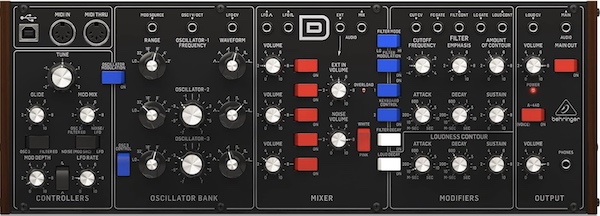
The Behringer Poly D is an exciting entry into the universe of synthesis. With its 4-voice paraphonic capability, this synthesizer, inspired by the legendary Minimoog Model D, this synth in module format offers exceptional versatility to create a wide variety of sounds. Its four VCO oscillators allow you to explore tones from soft and melodic to bold and thunderous. In addition, its 24 dB ladder filter, typical of Moog, gives it that warm, analog character. Best of all, this synthesizer is affordable, making it an ideal option for those starting out in synthesis.
2. Korg Volca Keys
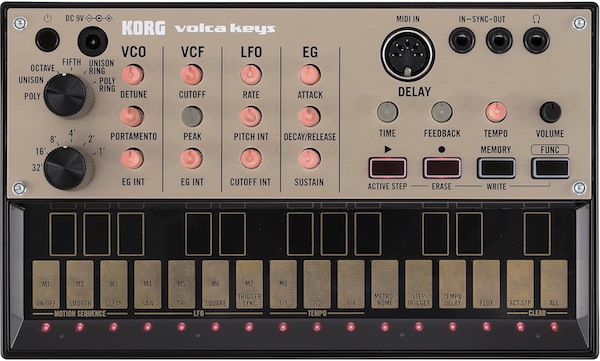
The Korg Volca Keys is a compact gem that offers a wide range of creative possibilities at an affordable price. This fully analog polyphonic synthesizer features three oscillators, a filter, an LFO, and a delay effect. Its built-in sequencer allows you to create and play patterns and melodies in real time or step by step, making it an excellent learning tool for beginners. Like the rest of the options we present in this article, it has MIDI and USB connections, and of course an output to connect your studio headphones. Despite its compact size, the Volca Keys is capable of generating rich and expressive sounds, making it an ideal option for musicians looking for an authentic synthesis experience that’s relatively cheap and with excellent value for money.
3. Korg MicroKorg
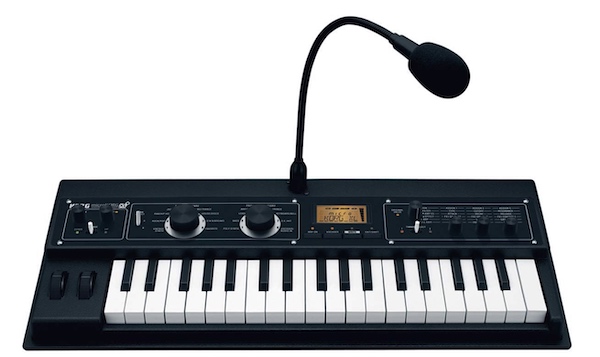
The Korg MicroKorg stands out as a powerful option in a compact format. With its portable design and powerful synthesis engine, it is a versatile tool for musicians on the move. Its built-in vocoder and its recognizable presets, present in many modern productions, make it a classic among synthesizers in the relatively affordable range. Despite its size, the MicroKorg offers a wide variety of sounds thanks to its virtual oscillators, ADSR Envelope, filters, and flexible modulation. Equipped with 37 velocity-sensitive keys (small size), the MicroKorg facilitates dynamic performance. Whether you’re a beginner or an experienced musician.
4. Novation Mininova
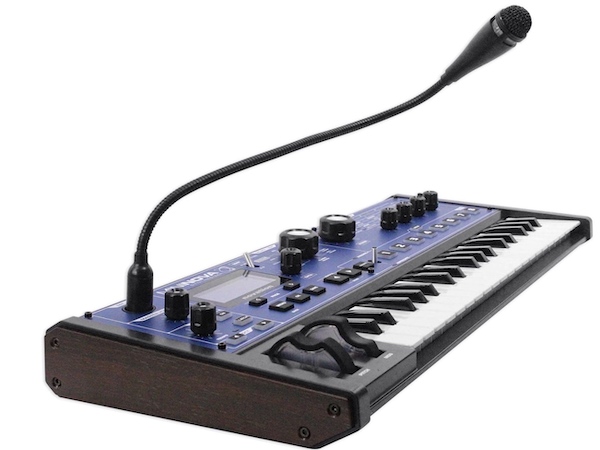
Perhaps the main competitor of the previous model is the Novation Mininova. This digital synthesizer has been with us in our recording studio in Barcelona for many years (see cover photo). A compact solution with small keys and built-in vocoder. It offers a wide variety of sounds, from classic to contemporary, thanks to its digital sound generator with 3 oscillators and 18 voices of polyphony. Despite its size, this synthesizer features advanced features such as real-time modulation, arpeggiator, and built-in effects. It is accompanied by powerful software for preset management and parameter control. It has MIDI input and output with 5 pins. Its compact design makes it ideal for musicians on the move or those with limited studio space. The Mininova is a very good option if what we want is to delve into the world of classic synthesized sounds but with a personal and modern approach in the choice of sounds. For a totally affordable price compared to the synthesizers it emulates, we have a perfect synthesizer to explore textures in studio and live performance.
5. Arturia MicroFreak
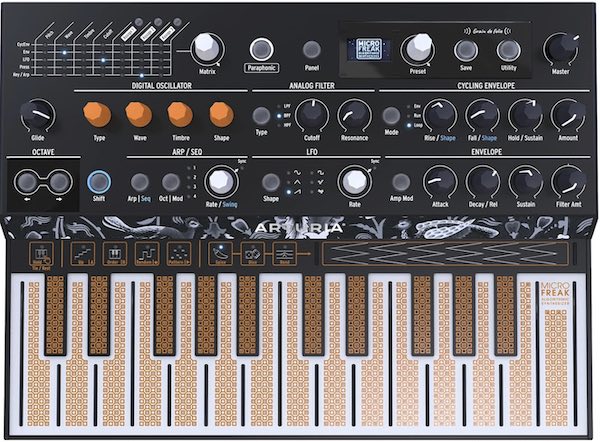
The Arturia MicroFreak is an innovative option that combines analog and digital elements. With a versatile digital oscillator that offers a wide range of synthesis modes, including granular and wavetable synthesis, the MicroFreak is an endless source of creativity. Its pressure-sensitive capacitive keyboard (a super-flat PCB with no moving parts) provides unique expressiveness in performance. In addition, its modulation matrix and integrated effects offer complete control over your sound. Despite its affordable price, the MicroFreak is a sonic powerhouse that inspires experimentation.
6. Novation Bass Station II
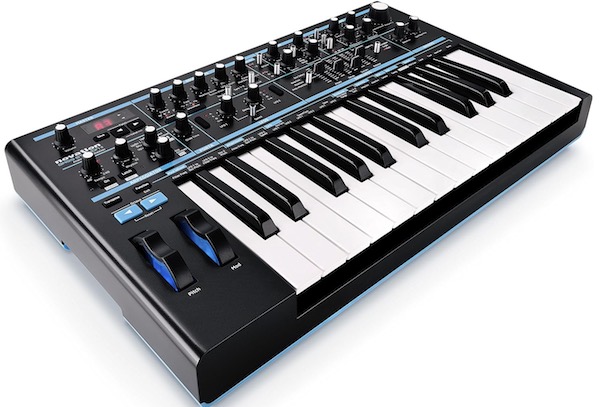
The Novation Bass Station II is a monophonic analog synthesizer with 25 keys and assignable aftertouch. It offers 2 analog filters (Acid and Classic) and 2 oscillators with an additional sub-oscillator, providing a versatile sound palette from classic to modern tones. We can tell you that its sound is spectacular (it has been part of our studio for years).
With a pattern-based step sequencer and an arpeggiator, the Bass Station II is ideal for studio and stage. As its name suggests, it is focused on the creation of bass sounds, and it is really exceptional at that. The analog effects section, together with multiple connectivity options (mono and stereo outputs and inputs, MIDI and USB connections), make it a complete and versatile tool both for creating beats and for live performance. Its large key size and great sound make it one of the best quality/price options to start in the world of 100% analog synthesizers for a price under €500.
7. Behringer DeepMind 12D
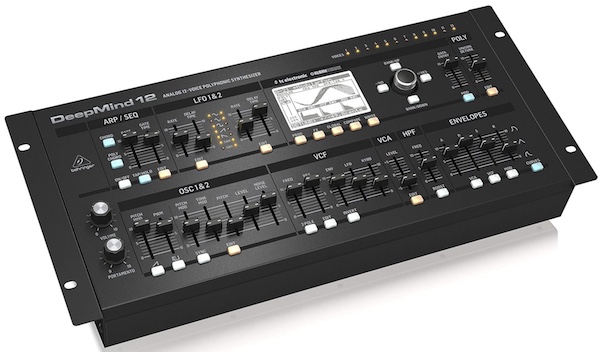
The Behringer DeepMind combines the best of both worlds: traditional analog synthesis and touches of digital technology. With options of 6 or 12 voices, this synthesizer offers a powerful analog synthesis engine with digitally controlled oscillators (DCO). Its 2 or 4-pole resonant low-pass filter, inspired by Roland’s iconic Juno-106, provides a warm and musical sound. In addition, the DeepMind offers more than 30 studio-quality effects (built-in TC Electronic and Klark Teknik), allowing you to create rich and evocative soundscapes. It is an ideal choice for those looking for the best of both worlds in terms of analog sound and digital versatility, in the version with built-in keyboard. A true gem!
Synthesizers: Digital Plugins vs. Physical Hardware
Exploring the World of Digital Plugins or VST Instruments

Digital plugins, known as virtual instruments, offer a wide variety of sounds and effects, being a convenient option for musicians looking for diversity. They are software programs that emulate synthesizers and sound effects, which facilitates access to a large library of sounds and saves space and money compared to physical hardware.
Digital plugins are highly versatile and relatively cheap compared to hardware synthesizers. They allow precise automation and integration within the DAW we use to produce music, ideal for electronic music production. However, both Free Virtual Instruments and professional paid ones, lack the tactile experience that physical hardware provides.
The Creative Charm of Hardware and Physical Keyboards
Hardware, such as analog synthesizers with or without a physical keyboard (in module version), provides a unique and manipulable tactile experience. The physical connection with the controls and keys can inspire creativity, allowing real-time adjustments and letting us get carried away by the moment without using the computer mouse. If we opt for a synthesizer with a keyboard, it will also serve us as a MIDI controller keyboard, in the same way as any of the MIDI keyboards (without sounds) currently available to equip your home studio.

The durability of hardware and its usefulness in live performances make it a long-term investment. Some musicians choose to combine hardware and digital plugins to take advantage of the best of both worlds.
Conclusion
Finding the right synthesizer as a beginner can be an exciting first step toward creating unique music. Whether you choose an analog or digital synthesizer, for less than €500, for €300 or less, or even explore digital plugins, remember that the key is in exploration and sonic experimentation.
On the other hand, if you want to learn more about sound synthesis, we recommend consulting this Ableton tutorial: Synthesis Tutorial. This free and comprehensive resource will help you better understand the fundamentals of sound synthesis and will provide you with the necessary tools to expand your musical creativity. Oh, and if you decide on any of the synthesizers you have in this article, from the most affordable to the most expensive (below we leave you more options of the best-selling cheap synthesizers), you will have many hours of fun and creativity guaranteed for all your future musical projects. Enjoy the learning process!
*This article contains affiliate links that help us create our site. Don’t worry: The price you pay is the same! If you buy something through these links, we will receive a small commission. Thanks for your support!

Article written by Vicen Martínez, music producer, guitarist, and songwriter. Founder of GuitarRec – Online Recording Studio.